
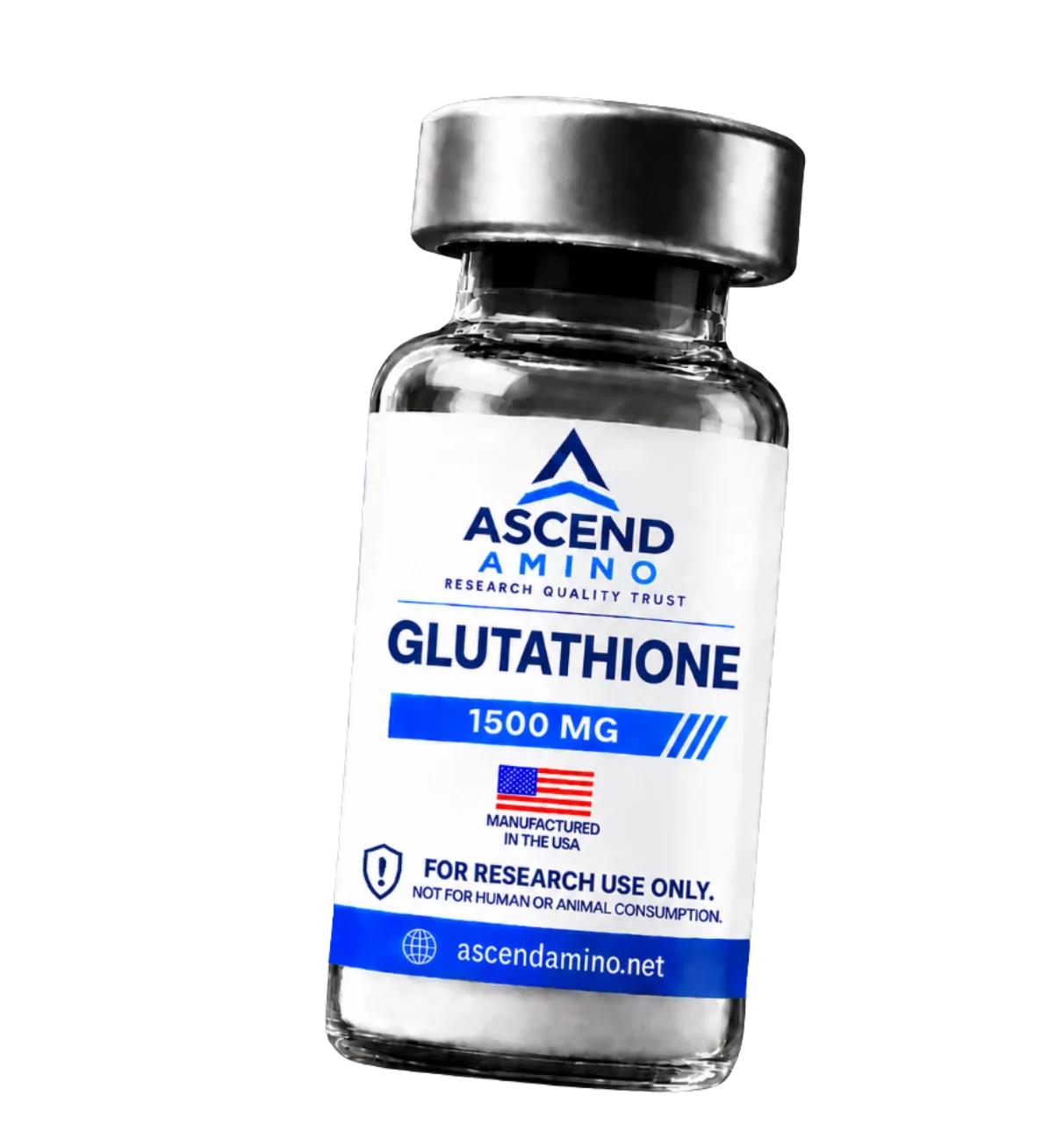
Glutathione 1500


$50.00
Glutathione 1500 is a product featuring glutathione, a naturally occurring antioxidant composed of three amino acids: glutamate, cysteine, and glycine. It is widely studied for its role in cellular antioxidant defense, redox balance, and biochemical processes. The 1500 designation identifies the product’s labeled strength; the exact serving or formulation details should be confirmed through the product label. This product is presented for research and informational purposes, not as a substitute for professional medical advice.
Glutathione 1500: Understanding This Important Antioxidant Compound
What Is Glutathione 1500?
Glutathione 1500 features glutathione, one of the most important naturally occurring antioxidant compounds found in living cells. Often described as the body’s master antioxidant, glutathione has attracted significant scientific interest because of its involvement in cellular protection, oxidative balance, and normal metabolic activity.
Glutathione is a small molecule made from three amino acids: glutamate, cysteine, and glycine. These building blocks combine to create a tripeptide that participates in several biochemical processes.
The 1500 designation refers to the product’s labeled strength. Buyers should check the packaging and supplier documentation to confirm the unit of measurement, formulation, and amount per container.
Understanding the Role of Glutathione
Glutathione plays an important role in maintaining the balance between oxidation and antioxidant activity within cells. Oxidation is a natural chemical process that occurs during normal metabolism, but excessive oxidative stress can affect cellular structures.
The body uses several antioxidant systems to manage oxidative activity. Glutathione is particularly important because it can participate in reactions that help neutralize reactive compounds and maintain the cell’s internal chemical environment.
Researchers continue to study glutathione to better understand its contribution to cellular health, metabolic processes, and antioxidant defense.
Glutathione 1500 and Antioxidant Research
One of the most widely studied characteristics of glutathione is its antioxidant function. It participates in reactions that help protect cellular components from oxidative damage.
Glutathione also works alongside enzymes such as glutathione peroxidase and glutathione reductase. These enzymes help regulate the body’s antioxidant systems and maintain appropriate levels of reduced glutathione.
Scientific investigations examine how these processes contribute to cellular balance and how glutathione levels may change under different physiological conditions.
Understanding Reduced and Oxidized Glutathione
Glutathione exists in two major forms:
- Reduced glutathione (GSH): The active form involved in many antioxidant reactions.
- Oxidized glutathione (GSSG): A form produced when glutathione participates in certain oxidation-reduction reactions.
The relationship between GSH and GSSG is commonly studied as an indicator of cellular redox balance.
This relationship is important in biochemical research because it helps scientists investigate how cells respond to oxidative conditions and maintain their internal environment.
Glutathione and Normal Cellular Processes
Beyond antioxidant activity, glutathione participates in several important biochemical pathways. It is involved in the metabolism of certain compounds and supports enzyme-related processes that help cells maintain normal function.
Researchers also investigate its involvement in cellular detoxification pathways, where glutathione can interact with enzymes that help process different substances.
These functions explain why glutathione remains an important subject in molecular biology, nutrition science, and biochemical research. However, scientific interest should not be confused with proof that a particular supplement or formulation prevents or treats disease.
Why Glutathione Remains Scientifically Important
Glutathione is widely researched because it connects several areas of cellular biology. Its antioxidant activity, amino acid composition, and involvement in redox reactions make it useful for studying how cells maintain biochemical balance.
Research areas include:
- Cellular antioxidant defense
- Oxidative stress and redox balance
- Glutathione metabolism
- Enzyme-related biochemical activity
- Cellular detoxification pathways
- Amino acid and peptide biochemistry
These areas continue to contribute to scientific understanding of glutathione and its biological importance.
Product Characteristics and Quality Considerations
When evaluating Glutathione 1500, customers should review the product label and available supplier documentation.
Important details include:
- Product name: Glutathione 1500
- Main compound: Glutathione
- Molecular structure: Tripeptide containing glutamate, cysteine, and glycine
- Research focus: Antioxidant activity and cellular redox balance
- Labeled strength: 1500, with units and formulation to be confirmed from the packaging
Product quality information, ingredient specifications, and third-party testing documentation can help establish the exact characteristics of a particular formulation.
Final Overview
Glutathione 1500 highlights a compound with an important place in antioxidant and biochemical research. From cellular redox balance to enzyme activity and metabolic pathways, glutathione remains a valuable subject for understanding how cells maintain their internal chemical environment.
Its naturally occurring structure and broad involvement in cellular processes make it one of the most widely investigated antioxidant molecules in biological science.
Product information note: This description is informational and does not establish medical effectiveness. Product formulation, labeled strength, intended use, and regulatory status should be verified from the manufacturer’s documentation.
Be the first to review “Glutathione 1500”
Related products


PEPTIDES
Reviews
There are no reviews yet.