
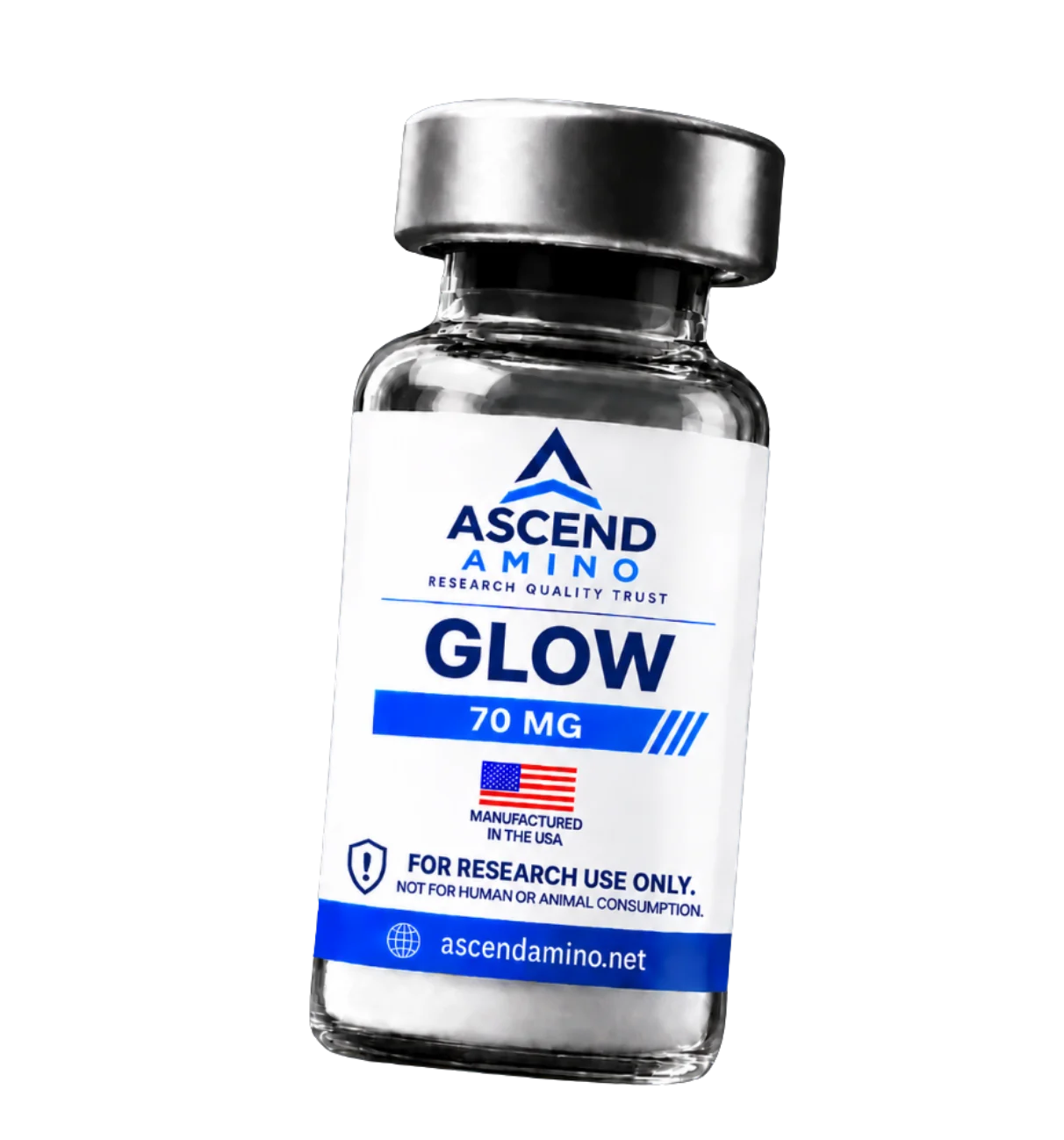
GHK-Cu 50mg / BPC-157 10mg / TB-500 10mg

$85.00
The GHK-Cu 50mg / BPC-157 10mg / TB-500 10mg blend combines three distinct research peptides in one product. GHK-Cu is a copper-binding tripeptide studied for its interactions with cellular signaling and skin biology. BPC-157 and TB-500 are investigated for their molecular characteristics and potential roles in tissue-related biological research. This multi-peptide formulation is intended strictly for controlled laboratory and scientific research, not for human or veterinary use.
GHK-Cu 50mg / BPC-157 10mg / TB-500 10mg: Understanding This Multi-Peptide Research Blend
What Is the GHK-Cu, BPC-157, and TB-500 Blend?
The GHK-Cu 50mg / BPC-157 10mg / TB-500 10mg blend combines three peptide compounds that have attracted scientific interest across different areas of molecular and cellular research. Each component has its own structure and research background, making this formulation relevant to laboratory investigations involving peptide interactions and biological signaling.
The blend contains three individually identified quantities: 50mg of GHK-Cu, 10mg of BPC-157, and 10mg of TB-500. These amounts describe the labeled composition and should not be interpreted as instructions for use.
Understanding each compound separately provides useful context for evaluating this multi-peptide research formulation.
GHK-Cu 50mg: Copper Peptide Research
GHK-Cu is a copper-binding tripeptide composed of glycine, histidine, and lysine. It is studied for its interactions with copper and various cellular processes.
Copper is an essential trace element involved in numerous biological functions, including enzyme activity and biochemical signaling. Researchers have investigated GHK-Cu in connection with skin biology, extracellular matrix processes, and collagen-related pathways.
Its molecular structure and copper-binding characteristics make it an interesting subject in peptide and biochemical research. However, laboratory findings do not establish that GHK-Cu produces specific cosmetic or therapeutic results in humans.
BPC-157 10mg: Investigating a Synthetic Peptide
BPC-157 is a synthetic peptide consisting of 15 amino acids. It has been investigated in preclinical research involving cellular signaling, gastrointestinal biology, and tissue-related biological processes.
Scientific interest in BPC-157 comes largely from experimental studies examining its molecular behavior and interactions with different biological systems.
Although it has received attention in experimental research, evidence from animal or laboratory studies cannot establish safety or effectiveness in humans. Its clinical significance remains unconfirmed.
TB-500 10mg: Exploring Peptide Research
TB-500 is a name used commercially for a peptide associated with thymosin beta-4 research. Thymosin beta-4 is a naturally occurring peptide studied for its involvement in cellular movement, actin regulation, and other biological processes.
Researchers have explored thymosin beta-4-related pathways in connection with cell migration and tissue biology. These studies help explain why compounds marketed under the TB-500 name have attracted interest in experimental peptide research.
The exact identity and composition of TB-500 products should be verified through supplier documentation and analytical testing. The name alone does not establish that a product contains full-length thymosin beta-4.
Why Combine These Three Research Peptides?
The three compounds have different molecular characteristics and research backgrounds:
- GHK-Cu: A copper-binding tripeptide studied in skin biology and cellular signaling research.
- BPC-157: A synthetic peptide investigated in preclinical studies involving several biological pathways.
- TB-500: A research-associated peptide name connected to thymosin beta-4-related investigations.
Combining these compounds in one formulation creates a multi-component research product. However, the presence of several peptides does not establish that they work together, produce combined benefits, or have a proven synergistic effect. Any investigation of their combined properties requires appropriate scientific evaluation.
Product Characteristics and Research Considerations
The labeled composition of this blend is:
- GHK-Cu: 50mg
- BPC-157: 10mg
- TB-500: 10mg
- Total labeled peptide quantity: 70mg
Researchers should review product documentation for compound identity, purity, formulation details, and available analytical testing. Each ingredient should be independently verified rather than relying solely on the product name.
Research-Only Notice
This multi-peptide blend is presented for controlled laboratory and scientific research purposes only. It is not intended for human or veterinary consumption, injection, diagnosis, treatment, or prevention of any disease. The compounds discussed are not established as a clinically proven combination, and this description does not make medical or therapeutic claims.
Final Overview
The GHK-Cu 50mg / BPC-157 10mg / TB-500 10mg blend brings together three distinct peptide research compounds with different molecular structures and areas of scientific interest. From copper-binding peptide research to investigations involving cellular signaling and thymosin beta-4-related pathways, each component offers a separate subject for laboratory study.
For responsible research evaluation, verified product identity, composition, and quality documentation should always be reviewed before use in a scientific setting.
Be the first to review “GHK-Cu 50mg / BPC-157 10mg / TB-500 10mg”
Related products

PEPTIDES




Reviews
There are no reviews yet.